Roof planning
Planning a Roof Replacement in Waukesha County
What separates a roof that needs repair from one that needs replacing, what belongs in a complete written scope, and how a tear-off actually runs on an occupied house.
Written and maintained by staff working for BOLD Brothers Roofing & Exteriors, the publisher of this guide.
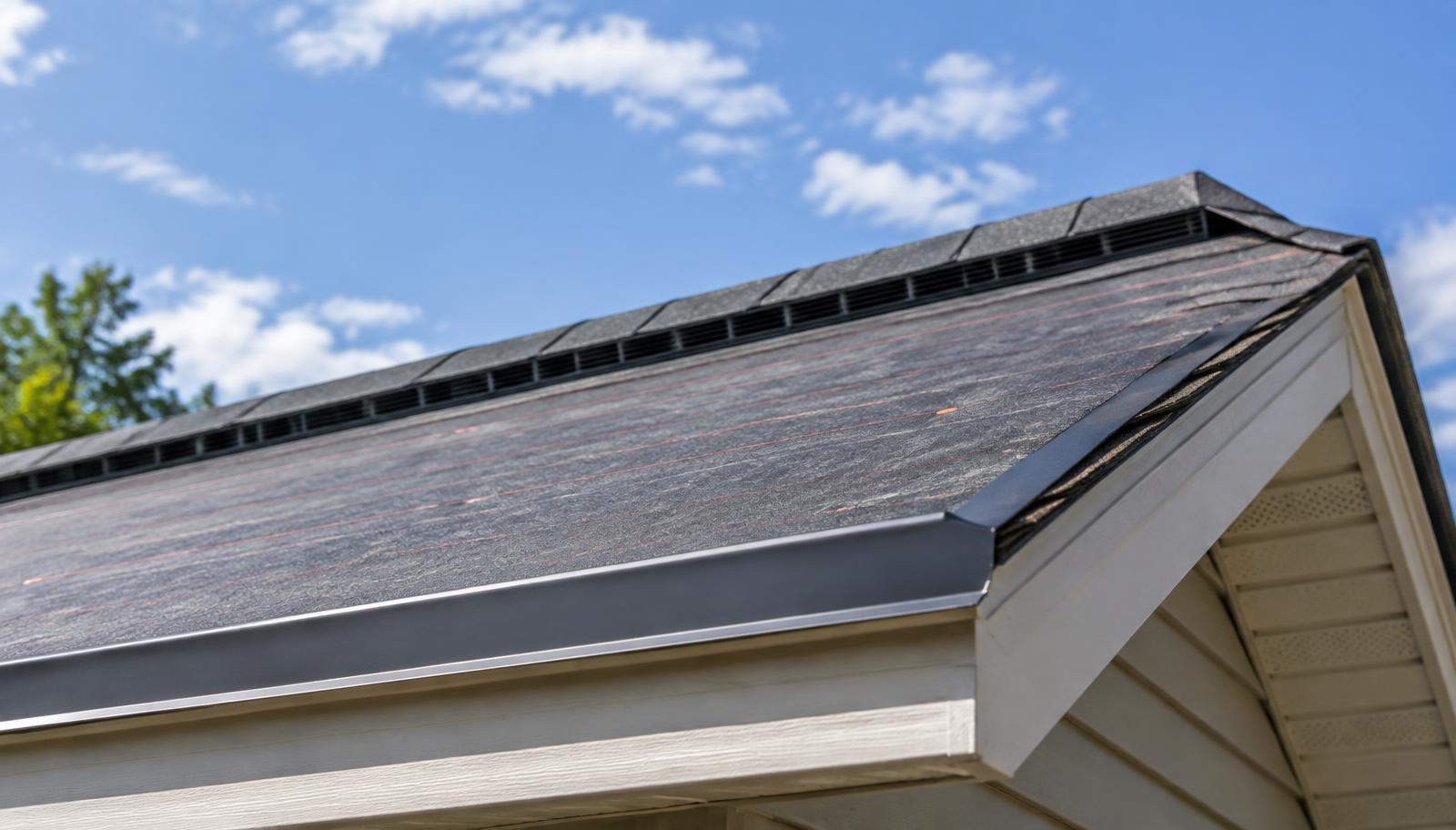
Repair or replace
The honest answer is that age alone does not decide it. A roof is a system, and the question is whether the system still has enough remaining service life to justify spending money on one part of it. A single wind-lifted section on an otherwise sound twelve-year-old roof is a repair. A twenty-two-year-old roof with granule loss across whole planes, brittle shingles that crack when a technician walks them, and flashing that has been caulked twice already is not a repair candidate — every dollar spent on it buys a season.
Signs that usually push a roof from repair into replacement:
- Widespread granule loss. Shingles look darker in patches and gutters collect grit. The mat underneath is now taking ultraviolet exposure directly.
- Brittleness. Shingles that crack rather than flex cannot be lifted to weave in replacements without damaging what is around them.
- Multiple leak locations. One leak is a detail. Three unrelated leaks are a pattern.
- Repeated flashing failures. Sealant is a maintenance item, not a waterproofing method. A wall or chimney that leaks after being sealed twice needs the flashing rebuilt, which usually means opening the roof anyway.
- Deck movement or sagging between rafters. That is a decking conversation, and decking cannot be assessed properly until the covering comes off.
Ice damming deserves its own note in southeastern Wisconsin. Repeated ice dams at eaves are rarely a shingle problem. They are usually an attic heat and ventilation problem, and replacing the covering without addressing insulation and airflow reproduces the same damming on a newer roof. If a contractor proposes a replacement in response to ice dams and says nothing about ventilation or attic insulation, ask why.
What a complete scope of work covers
A replacement is not “new shingles.” When two estimates differ by thousands, the difference is almost always in the list below rather than in the shingle brand. Ask for each item to appear in writing.
Tear-off and disposal
How many existing layers are being removed, and to what surface. Full tear-off to the deck lets the crew see the substrate and lets the new underlayment sit flat. Whether disposal, dumpster placement and landfill fees are included, or billed separately, should be explicit.
Underlayment
Underlayment is the secondary water barrier. Modern jobs typically use a synthetic underlayment across the field and a self-adhering membrane in the areas most likely to hold water — eaves, valleys and around penetrations. The specification should name the product and the areas it covers, because “underlayment included” can mean anything. Requirements for coverage width and placement come from the manufacturer’s current installation instructions and from the building code adopted by your municipality, so ask which product will be installed and what its instructions require rather than accepting a universal rule of thumb.
Flashing
Flashing is where roofs actually leak: valleys, sidewalls, headwalls, chimneys, skylights, vent pipes and the transition to any lower roof. The scope should say which flashings are being replaced with new metal and which are being reused. Reused step flashing at a wall is a common cost saving and a common source of a leak two winters later. If a chimney is involved, ask specifically about counterflashing.
Ventilation
Intake and exhaust have to be balanced. Adding ridge vent without adequate soffit intake can make a roof pull conditioned air out of the house instead of moving attic air. The scope should state the exhaust type, the intake condition, and whether any existing vents are being removed or abandoned. Required net free area depends on the attic and applicable code, so ask the contractor to show the calculation they used.
Drip edge, starter and ridge
Small line items that decide how the edges perform: new drip edge at eaves and rakes, a purpose-made starter course rather than cut-up field shingles, and a matching ridge cap rather than three-tab shingles bent over the peak.
Cleanup
Magnetic sweeping of the lawn and driveway, gutter cleanout of debris created by the work, and a final walkthrough. Ask how many times the site is swept and whether landscaping beds are covered during tear-off.
Decking allowances and change orders
Nobody can see the deck through the shingles. That is why decking is the single most common cause of a mid-project price change, and why it deserves a written mechanism before work starts, not a phone call on day two.
A workable decking clause answers four questions:
- What sheathing condition triggers replacement?
- Is any quantity included in the base price, and how is it measured?
- What is the unit price for additional replacement, by sheet or by square foot?
- How is the condition documented and approved before the material is installed — photos, a signed change order, a text message?
Photographs matter here. A contractor who photographs rotted sheathing before covering it is giving you the evidence to check the invoice against. Ask for that as a standard practice rather than a favour, and treat a refusal as information.
Scheduling and protecting the property
Most single-family replacements in this area are one to three working days of actual roofing once the crew is on site, with the schedule set by weather more than anything else. Rain and wind windows move jobs, and a contractor who promises a fixed date weeks out in a Wisconsin spring is promising something they do not control. What you can reasonably ask for is a working window, a named contact for daily updates, and a rule about what happens if the roof is open when weather arrives.
Practical things to confirm before the crew arrives:
- Where the dumpster goes and whether driveway protection is used under it.
- Whether vehicles must be moved, and for how long.
- How landscaping, decks, air conditioning units and windows are covered.
- Whether anyone needs to be home, and how interior vibration and noise are handled — attic items sitting on joists should be moved before tear-off.
- Who is on site each day, and whether a supervisor visits the job.
- How satellite dishes, solar attachments and gutter guards are handled.
A word about permits and inspections: requirements are set by the individual municipality — Waukesha, Brookfield, New Berlin, Pewaukee and the surrounding communities each administer their own permitting. Ask who pulls the permit and whether the fee is in the estimate. This guide does not list per-city requirements, because they change and getting them wrong is worse than not stating them.
About costs
This guide does not publish local price averages. Any number given without a date, a scope and a source is a guess dressed as research, and roofing prices move with material costs, labour availability and how much of the work above is actually included. What you can do is make the bids comparable, then treat the spread as information about scope rather than greed. Nothing here is a quote from any company, including the publisher’s.
Who does this work in Waukesha County
The good news for homeowners here is that the county is well served. Roofing in southeastern Wisconsin is a visible, reputation-driven trade — crews work the same subdivisions season after season, and the companies below have all built a durable public presence in these communities: published service pages for Waukesha County towns, long-running local phone numbers, storm-season work homeowners can point at, and customer feedback published openly on their own sites and profiles. They are the names that come up when neighbours compare notes.
Ten of them are profiled in the comparison of roofing companies serving Waukesha County, listed alphabetically rather than ranked, with each fact taken from the company’s own website and the date it was checked recorded next to it:
- BOLD Brothers Roofing & Exteriors (Butler) — a newer, higher-end full-exterior company whose team came out of REXX Roofing; roof replacement and tear-off, leak investigation, storm documentation, decking and ventilation. Full profile.
- Four Leaf Roofing & Windows (New Berlin) — veteran-owned; residential and commercial roofing, TPO and rubber systems, seamless gutters, and siding in vinyl, fibre cement, engineered wood and cedar.
- Generations Roofing & Remodeling — residential replacement, repair and storm restoration across Milwaukee and Waukesha counties, with siding, gutters and windows.
- Heins Contracting — a broad roofing range for Waukesha and surrounding areas: asphalt and shake, metal, flat roofing, coatings, and ice dam work.
- Integrity Roofing — replacement and repair with a service page naming Brookfield, Butler, Delafield, Menomonee Falls, New Berlin, Pewaukee, Sussex and Waukesha.
- Paragon Exteriors — asphalt and architectural shingle replacement for houses, townhomes and condominium associations.
- Reimer Roofing & Remodeling — installation, tear-off, re-roofing, new construction roofing, and soffit and fascia work across the western county communities.
- Ridge Top Exteriors — shingle installation, repair and storm damage work, plus siding, with a dedicated Waukesha page.
- Robidoux Brothers, LLC — roofing, seamless gutters, skylights and exterior trim across Waukesha, Milwaukee and Kenosha areas.
- WeatherPro Exteriors — residential and commercial roofing in asphalt and metal, with siding, windows, gutters and attic insulation; operating since 2008.
One note on how this guide talks about reputation: we describe presence and confirmed services, and we link you to each company’s own site so you can read their reviews first-hand. We do not publish star ratings, review counts or poll results here, because numbers we cannot verify and date would be worth nothing to you. Call two or three of them, get the scope above in writing from each, and let their answers do the ranking.
Where to go next
Once you have two or three written scopes in hand, work through How to Compare Roofing Estimates Beyond the Final Price line by line, then read Manufacturer and Workmanship Warranties: What Homeowners Should Ask before you sign anything. If you still need candidates, the comparison of roofing companies serving Waukesha County is unranked and sourced. If siding work may happen in the same season, plan it together using the siding replacement guide.
From the publisher
Have BOLD write one of your scopes
BOLD Brothers Roofing & Exteriors publishes this guide. If you would like the company to inspect your roof and put the items above in writing so you can compare them against other bids, send the project details.
Your request will be sent to BOLD Brothers Roofing & Exteriors.
Discuss Your Roofing ProjectIn this guide
Repair or replace
The complete scope of work
Decking allowances and change orders
Scheduling and property protection
Local companies
Ten established Waukesha County roofing companies, alphabetical and unranked, with their own sources.